

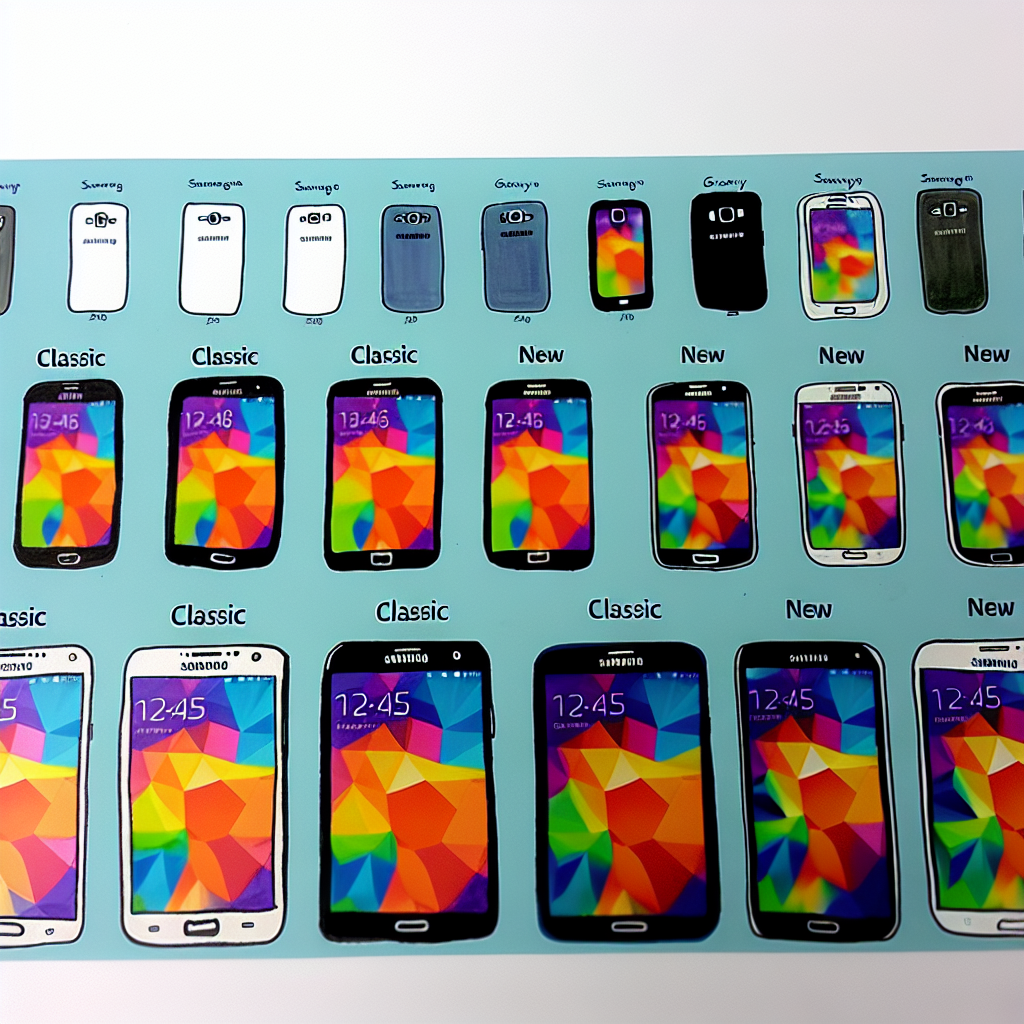
The smartphone industry is in a state of constant evolution, with manufacturers like Samsung at the forefront of technological innovation. Over the past few years, the Samsung Galaxy series has transformed from a modest series of Android devices to a major flagship series that has been attracting consumers around the world. With each new release, Samsung looks to improve its features, design, and overall user experience while maintaining ties with its iconic predecessors. In this article, we’ll examine how the new models in the Galaxy lineup stack up against their classic counterparts. We’ll take an in-depth look at aspects like design, performance, camera capabilities, battery life, software, and more.
A Brief History of the Samsung Galaxy Series
To understand how the new models compare to their classic counterparts, it’s important to take a tour of the Galaxy series. The first Galaxy device, the Samsung Galaxy GT-i7500, launched in 2009, marked Samsung’s entry into the competitive smartphone market. This laid the groundwork for what would become the hallmark of Android devices.
Fast forward to the present, the Galaxy S series has produced significant models, including the Galaxy S20, S21, S22 and most recently the Galaxy S23. Each iteration has made advances in technology, materials, and user interface design, setting new standards for what smartphones can achieve.
1. Design Development
classic model: Early Galaxy models were constructed of plastic and polycarbonate, with some design cues taken from Apple’s earlier iPhone designs. For example, the Galaxy S4 featured a synthetic leather back to provide a better grip "premium price" Feel that its users liked it.
new model: In stark contrast, the latest Galaxy S23 series showcases a refined aesthetic with an emphasis on premium materials. For example, the S23 features a glass and metal sandwich design with Gorilla Glass Victus 2, which increases durability while allowing for a smooth, modern finish. Finish options also reflect contemporary trends, offering unique colors and textures that appeal to a wide audience.
Compare: While older Galaxy devices emphasized practicality and affordability, the new models are the epitome of luxury, with premium finishes and a design language that speaks sophistication and innovation. The move towards minimalist designs with less bezels and more screen real estate has marked a significant change in physical aesthetics.
2. Performance and processing power
classic model: The Galaxy S4 was powered by Qualcomm’s Snapdragon 600 chipset, which featured good performance for its time. It was capable of handling basic multitasking and gaming, but users often encountered lag with more demanding applications.
new model: The Galaxy S23 series, powered by the custom-built Snapdragon 8 Gen 2 chipset, redefines performance in the smartphone sector. With a substantial increase in CPU and GPU capabilities, the S23 can handle heavy multitasking, gaming at high frame rates and demanding applications without any hassle.
Compare: The leap in performance between the classic and new models is huge. What was seen as cutting-edge performance a decade ago now seems sluggish compared to modern standards. The integration of AI capabilities and machine learning features in the new processor also allows for better battery management and camera optimization.
3. Camera Capabilities
classic model: The Galaxy S4 had a 13-megapixel rear camera, which was impressive at the time but limited in terms of capabilities like optical image stabilization (OIS), low-light performance, and AI-powered enhancements. Users rely on basic photography skills to get great photos.
new model: In contrast, the Galaxy S23 has a triple camera system, with a 50-megapixel main sensor, which offers better resolution and versatility. Features like advanced OIS, advanced night mode and AI scene optimization allow users to take great photos in a variety of conditions and experiment with professional-grade photography techniques straight from their smartphone.
Compare: The difference in camera technology between the classic and newer models cannot be underestimated. The transition from basic image capturing to high-resolution photography with multiple sensors and computational photography techniques reflects Samsung’s commitment to enhancing the user experience in mobile photography.
4. Battery Life and Charging Technology
classic model: The Galaxy S4 included a 2,600 mAh battery, which provided good life but often required daily charging, especially under heavy use. Slow charging technology was also a problem, with most devices taking a few hours to fully charge.
new model: However, the Galaxy S23 has a 3,900 mAh battery, and with Samsung’s advanced power management features, it can last longer even under intensive use. Fast charging, wireless charging capabilities, and reverse wireless charging support have become standard. The introduction of 45W fast charging means users can get hours of usage from just a short charging session.
Compare: Advances in battery technology and charging systems represent a fundamental shift in the user experience. While previous iterations required more frequent charging, the new models offer ample longevity and faster recovery times, alleviating one of smartphone users’ biggest frustrations.
5. Software Experience
classic model:The Galaxy S4 initially ran on Android 4.2 Jelly Bean, with TouchWiz as its user interface. Although it offered customization features, it was often criticized for being bloated and slow due to the unnecessary pre-installed apps that came with it.
new model: In comparison, the Galaxy S23 comes with Android 13 with One UI 5.1 on top. This latest version is significantly more refined, offering smoother animations, better gesture navigation, and better privacy controls. Samsung has also committed to providing extended software support, ensuring that users continue to receive regular updates for several years, which is a major departure from the support provided to older models.
Compare: The user interface has evolved from cluttered and confusing to an intuitive and user-friendly experience. The commitment to ongoing support and updates represents a significant improvement in how Samsung values its customer base.
6. Connectivity and Features
classic model: Older models like the Galaxy S4 were limited to 3G and early 4G LTE connections, which restricted Internet speeds and overall connectivity experiences. Features like NFC were not widespread and lacked the versatility seen in today’s offerings.
new model: Equipped with 5G capabilities, Wi-Fi 6e, and Bluetooth 5.3, the Galaxy S23 marks a fundamental shift in connectivity. Users can expect not only faster internet speeds, but also more reliable connections, which will enhance everything from streaming to gaming.
Compare: The range from basic connectivity options to cutting-edge technology in the new models ensures that users can utilize the full potential of their devices, contributing to a richer overall experience.
7. Gaming Experience
classic model:With the Galaxy S4, gaming was limited by both hardware and software, with many demanding games struggling to run optimally. Performance degradation was common, leading to degraded gameplay and a diminished user experience.
new model:Galaxy S23, powered by a powerful GPU architecture and AI-powered gaming optimizations, allows for enhanced mobile gaming experiences. Features like Game Booster enhance performance during gameplay, ensuring that users can enjoy graphics-intensive games seamlessly.
Compare: With advancements in gaming technology, Samsung’s new models offer a gaming experience that was almost unimaginable in previous editions of the Galaxy series. The combination of powerful hardware and software advancements allows for an immersive gaming experience that meets today’s gaming standards.
conclusion
The development of the Samsung Galaxy series exemplifies the rapid pace of technological progress in the smartphone industry. From design and performance improvements to camera innovations and software enhancements, it’s clear that each iteration builds on its predecessors. The difference between classic models and modern-day counterparts reflects not only maturity in hardware but also changes in consumer expectations and use of technology.
As Samsung continues to move forward with its design and features, it’s clear that the Galaxy line will continue to be a significant player in the ongoing smartphone showdown.
Frequently Asked Questions (FAQ)
1. What is the main difference between Galaxy S23 and Galaxy S4?
The Galaxy S23 offers advanced technology, including a much higher megapixel camera, powerful processing capabilities, better battery life, and software support that is years ahead of that provided by the S4.
2. Are the new Galaxy models more durable than the older models?
Yes, newer models often use premium materials like Gorilla Glass and aluminum frames, which significantly increase durability compared to the plastic builds of older models.
3. How does camera quality improve from classic to new models?
The new models incorporate advanced imaging technology, including higher megapixels, better sensors, optical image stabilization and computational photography features that dramatically enhance photo quality.
4. What kind of software support do Samsung’s new models receive?
New Samsung models typically receive up to four years of major Android updates and up to five years of security updates, dramatically improving their longevity compared to the support available for classic models.
5. Is it worth upgrading from the classic Galaxy model to the new model?
For users who rely heavily on their smartphones for daily tasks, upgrading to a newer model offers significant benefits in performance, camera quality, battery life, and overall user experience.
