

Introduction
The iPhone series, a flagship product of Apple Inc., has consistently garnered significant attention and admiration from consumers and industry experts alike. Each new launch brings not only advancements in technology but also reaffirms Apple’s position as a leader in the smartphone market. The excitement surrounding each release often leads to extensive discussions, and the recent unveiling of the iPhone 15 Pro and the anticipated iPhone 16 Pro has sparked a renewed interest among enthusiasts.
Apple’s ability to innovate while preserving the brand loyalty of its user base is noteworthy. The iPhone functions as a symbol of cutting-edge technology and luxury, and its annual introductions serve not just to upgrade specifications but also to redefine user experiences. As consumers eagerly await the latest in mobile technology, Apple’s strategic enhancements to their devices often set new industry standards.
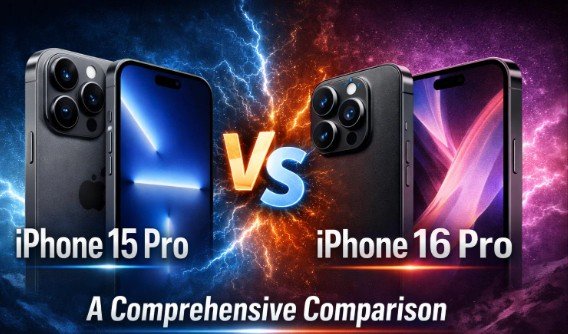
In this blog post, we will explore the differences and similarities between the iPhone 15 Pro and iPhone 16 Pro. Key aspects such as design, performance, camera capabilities, and technological advancements will be examined to provide a comprehensive comparison. This analysis aims to assist potential buyers in making informed decisions based on their preferences and requirements. By delving into the specifications and features of both models, we will illuminate how each iteration contributes to Apple’s legacy of technological excellence and innovation.
Design and Build Quality
The design and build quality of smartphones significantly influence user satisfaction and market competition. In comparing the iPhone 15 Pro and the iPhone 16 Pro, several aspects merit attention, including materials, dimensions, weight, finish options, and ergonomic considerations.
The iPhone 15 Pro showcased a premium titanium frame, contributing to its lightweight feel while maintaining durability. Measuring 147.5 x 71.5 x 7.85 mm and weighing around 204 grams, it was a well-balanced device, praised for its sleek aesthetic. Available color options included Space Gray, Silver, Gold, and Sierra Blue, which attracted a wide audience.
In contrast, the iPhone 16 Pro introduces refined design elements that enhance both aesthetics and functionality. Retaining the titanium framework, it features a slightly updated profile with minimal dimensions, measuring 146.6 x 70.6 x 7.85 mm, providing a more manageable grip. Weighing approximately 203 grams, it is marginally lighter, which improves overall handling for users. The iPhone 16 Pro expands its color palette to introduce new finishes like Deep Purple and an updated Natural Titanium, appealing to diverse consumer tastes.
Notably, the iPhone 16 Pro incorporates improved ergonomics with rounded edges and a slightly curved back for better hand feel, enhancing comfort during extended usage. Its design also includes a more discreet camera bump, which not only adds to the device’s aesthetic appeal but also reduces wobbling when placed on a flat surface.
Overall, while the iPhone 15 Pro offered sophistication and elegance, the iPhone 16 Pro builds upon this foundation with thoughtful upgrades and refinements. Users seeking a balance between form and function will find value in both models, yet the iPhone 16 Pro’s modernized design addresses several user feedback points, enhancing its standing in the competitive smartphone market.
Display Features
The display features of a smartphone significantly influence user experience and are often a focal point during comparisons of various models. The iPhone 15 Pro boasts a Super Retina XDR display, featuring a size of 6.1 inches with a resolution of 2532 x 1170 pixels, offering an impressive pixel density that ensures crisp visuals. With a maximum brightness of 1000 nits in typical conditions and an astonishing 2000 nits peak brightness for HDR content, users can enjoy vivid and bright displays even in direct sunlight.
With the introduction of the iPhone 16 Pro, Apple has enhanced its display technology further. The new model retains the 6.1-inch size but comes with advancements in resolution and refresh rate. While the resolution remains similar, the iPhone 16 Pro introduces an adaptive refresh rate of up to 120Hz via ProMotion technology, which dynamically adjusts the refresh rate based on the content being displayed. This means smoother scrolling and more responsive touch input, significantly elevating the overall user experience for gaming, video playback, and general navigation.
Additionally, the brightness levels in the iPhone 16 Pro have been improved, reaching a peak brightness of 2400 nits in HDR mode. Such enhancements not only improve visibility in bright environments but also contribute to better color accuracy and overall image quality. The integration of advanced OLED technology further refines color dynamics and contrast ratios, making blacks deeper and colors more vibrant compared to its predecessor.
In summary, the differences in display features between the iPhone 15 Pro and iPhone 16 Pro highlight Apple’s commitment to providing cutting-edge technology. The enhancements in refresh rate and brightness are pivotal in improving usability and visual delight, marking a progressive shift in smartphone display capabilities.
Camera Capabilities
The iPhone 15 Pro and iPhone 16 Pro showcase impressive advancements in camera technology, enhancing photographic experiences for users. Both models feature advanced camera systems designed to meet the demands of photography enthusiasts, albeit with notable differences.
The iPhone 15 Pro boasts a triple-camera system, comprising a 48 MP main sensor, a 12 MP ultra-wide lens, and a 12 MP telephoto lens with a 3x optical zoom. This setup allows for exceptional detail and versatility, especially in varying lighting conditions. Its f/1.7 aperture on the main camera facilitates improved low-light performance, making Night mode more effective. Moreover, the inclusion of ProRAW offers users greater control over post-processing, enhancing the quality of images taken in diverse environments.
On the other hand, the iPhone 16 Pro introduces several enhancements aimed at elevating photography and videography. This model retains the triple-camera configuration, but with an upgraded 48 MP sensor featuring a larger pixel size and improved computational photography capabilities. These advancements result in superior image quality, particularly in low-light situations. The f/1.78 aperture in the main lens provides a slight increase in light intake compared to its predecessor, further enhancing Night mode functionality.
A significant addition to the iPhone 16 Pro is the introduction of new software features like Smart HDR 5, which enhances dynamic range and clarity. Additionally, the implementation of Action mode improves video stabilization, making it easier to capture smooth footage during movement.
In essence, while both the iPhone 15 Pro and the iPhone 16 Pro excel in camera capabilities, the latter offers noteworthy upgrades that refine the photography experience, especially in challenging lighting conditions and dynamic scenarios. Choosing between these two devices largely depends on the importance of innovative features versus budget considerations, but either option promises an exemplary photography experience.
Performance and Speed
The performance capabilities of the iPhone 15 Pro and iPhone 16 Pro are highly significant, especially for users who demand speed and responsiveness for tasks such as gaming and multitasking. Both models are equipped with advanced processors that highlight Apple’s continual innovation in smartphone technology.
The iPhone 15 Pro utilizes the A16 Bionic chip, featuring a 6-core CPU that is designed to handle demanding applications and intensive gaming with ease. With its 5-core GPU, users can expect exceptional graphical performance, ensuring that games run smoothly even at higher settings. In addition, it comes with an optimized Neural Engine that enhances machine learning capabilities, delivering quicker responses for various applications.
On the other hand, the iPhone 16 Pro is powered by the even more efficient A17 Bionic chip. This newer processor not only ensures higher performance metrics but also provides improved efficiency gains which significantly extend battery life. The A17 boasts a 6-core CPU as well as a state-of-the-art 6-core GPU, allowing not only for seamless multitasking and sophisticated graphics rendering but also for an immersive gaming experience. Notably, the RAM capacity in the iPhone 16 Pro has been upgraded to 8GB, compared to 6GB in the iPhone 15 Pro, which enhances the capability to run multiple apps simultaneously.
Both models offer various storage options ranging from 128GB to 1TB; however, the storage technology has evolved in the iPhone 16 Pro to support those high-demand applications and larger game files more efficiently. This results in quicker load times and better overall responsiveness, which is crucial for users who rely on their devices for professional tasks or entertainment. Overall, the advancements in hardware specifications suggest that the iPhone 16 Pro is well-positioned to offer superior performance compared to its predecessor, making it an appealing option for prospective buyers.
Battery Life and Charging
The battery performance of a smartphone is a critical factor for most users, often influencing their purchase decision. In the comparison between the iPhone 15 Pro and the iPhone 16 Pro, notable advancements can be observed in both battery capacity and longevity under various usage scenarios. The iPhone 15 Pro was equipped with a robust battery that managed to last a full day with typical usage; however, the iPhone 16 Pro offers enhancements that aim to elevate the user experience further.
The iPhone 15 Pro features a battery capacity of approximately 3,200 mAh, which supports a significant range of tasks from video playback to mobile gaming. On the other hand, the iPhone 16 Pro has seen an increase in capacity, reportedly sitting around 3,500 mAh. This increase is indicative of Apple’s commitment to enhancing battery longevity as users juggle between voice calls, streaming, and intense app usage.
Charging speed is another aspect where improvements can be noted. The iPhone 15 Pro offers 20W fast charging capabilities, enabling users to charge their devices up to 50% in about 30 minutes. In contrast, the iPhone 16 Pro has reportedly upgraded to 25W fast charging, allowing for quicker recharges, thereby reducing downtime throughout the day.
Apple has made strides in improving battery technology. The introduction of a more efficient A17 chip not only optimizes performance but also enhances energy efficiency, contributing to better battery life. Furthermore, users can expect smarter battery management features that help in prolonging battery health over extended periods. Overall, both devices offer impressive battery performance; however, the advancements in the iPhone 16 Pro showcase Apple’s continual evolution in battery technology, providing users with more reliable and efficient devices.
Software Features and User Experience
When comparing the iPhone 15 Pro and iPhone 16 Pro, software features and user experience are pivotal in determining which device better meets user needs. Both models run on iOS, with the iPhone 15 Pro initially launching on iOS 16 and the iPhone 16 Pro equipped with the more advanced iOS 17. This software update introduces significant enhancements geared towards optimizing performance and user interaction.
One noteworthy advancement in iOS 17 for the iPhone 16 Pro includes improved personalization options. Users can enjoy customized lock screens and new home screen widgets that offer quick access to information directly from the home page. This feature showcases how the integration of software and hardware capabilities can elevate the user experience. The iPhone 15 Pro offers robust usability but lacks these personalization enhancements inherent in its successor.
The software experience is also enhanced by additional features such as the improved Focus mode, which now supports multiple Focus filters tailored to distinct activities. This allows users to segregate work-related notifications from personal alerts seamlessly. Furthermore, the iPhone 16 Pro makes better use of its hardware capabilities, ensuring that features like Live Voicemail and improved autocorrect functionalities are more responsive and efficient. Meanwhile, the iPhone 15 Pro, while still capable, does not capitalize on these developments.
The interface changes between the two devices are subtle yet impactful, as the iPhone 16 Pro introduces a refined aesthetic that promotes ease of navigation. The adaptive layout of apps is designed for smoother transitions and quicker accessibility, enhancing overall usability.
Ultimately, the progression from iOS 16 to iOS 17 embodies Apple’s commitment to continuous innovation. This development is evident in the iPhone 16 Pro, where the synergy between updated software features and advanced hardware translates into a superior user experience.
Pricing and Availability
The pricing for the iPhone 15 Pro and iPhone 16 Pro reflects their positioning in the premium smartphone market. As of their launch, the iPhone 15 Pro was priced starting at approximately $999, while the iPhone 16 Pro begins at around $1,099. This difference in pricing can be attributed to various enhancements featured in the newer model, including improved hardware specifications and advanced camera capabilities. While both devices cater to a similar demographic, the iPhone 16 Pro offers features that may justify the higher price for tech enthusiasts and those seeking the latest technology.
The value proposition of each model is noteworthy. The iPhone 15 Pro, although an older model, remains a solid choice with excellent performance, especially for users who may not require the latest features. On the other hand, the iPhone 16 Pro introduces refinements that enhance user experience, such as better battery life, a more advanced chipset, and improved display technology. Consequently, consumers must evaluate their needs against the price to determine which model presents the best value for their situation.
When considering availability, both models have been released globally, but stock levels can vary by region and retailer. The iPhone 16 Pro, being the latest release, may experience demand that could lead to temporary shortages in various markets, especially during the initial launch period. It is advisable for potential buyers to check with authorized retailers and online platforms to secure their preferred model. Additionally, individuals looking to upgrade may benefit from trade-in options presented by Apple and other retailers, which can offset the cost of purchasing the new iPhone and significantly impact overall affordability.
Conclusion and Recommendations
In this comprehensive comparison of the iPhone 15 Pro and iPhone 16 Pro, we have explored a range of features, performance metrics, and user experiences for both devices. While both models showcase Apple’s dedication to innovation, there are notable differences that cater to varying user needs. For instance, the iPhone 16 Pro offers enhanced camera capabilities, making it a superior choice for photography enthusiasts who prioritize image quality and versatility in different shooting conditions. The upgraded computational photography and low-light performance will appeal to those who regularly capture high-quality images.
For gamers, the iPhone 16 Pro’s faster processor and improved graphics performance provide a more immersive experience, enabling smoother gameplay and faster loading times. The enhanced display features and refresh rates also contribute to an overall better gaming environment. Users who engage in resource-intensive applications will find the latest model significantly beneficial.
On the other hand, for consumers seeking a more balanced, everyday device, the iPhone 15 Pro remains a commendable option, especially considering its value proposition and adequate performance across various tasks. It may suit those who prioritize battery life over some of the latest features, as the iPhone 15 Pro’s battery continues to deliver satisfactory longevity for typical daily usage.
Ultimately, the choice between the iPhone 15 Pro and iPhone 16 Pro will largely depend on individual requirements. Consumers should consider what aspects—be it photography, gaming, or general use—are most significant for their lifestyle. Evaluating personal preferences against the specifications and capabilities of each device will ensure that users make an informed decision based on their specific needs.
