

Introduction
The iPhone 13 and iPhone 14 stand as two significant entries in Apple’s smartphone lineup, each representing a unique blend of innovation and user experience. Each year, Apple enthusiasts and potential buyers eagerly await the unveiling of the latest model, and the release of the iPhone 14 has undoubtedly sparked considerable excitement. This anticipation primarily stems from Apple’s commitment to technological advancement and consumer satisfaction, which often entails incremental improvements in design, functionality, and performance metrics.
The iPhone 13, launched in 2021, introduced several key features that captured the attention of users, such as enhanced battery life, improved camera capabilities, and the A15 Bionic chip, which set a high standard in mobile processing power. As expectations were elevated, the iPhone 14 continues this legacy by promising even greater enhancements in several areas. The advancements presented in the iPhone 14, such as its new processing capabilities and camera technology, suggest that Apple remains steadfast in its pursuit of delivering a superior mobile experience.
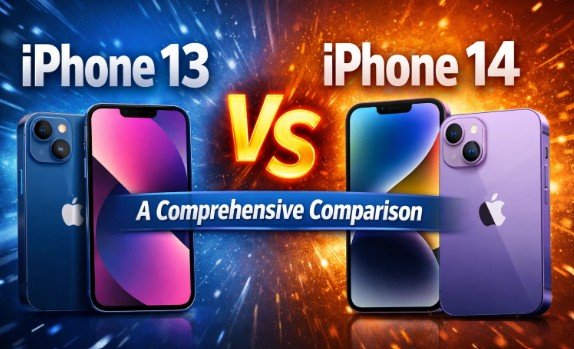
This comprehensive comparison aims to guide readers in understanding the distinctions and similarities between the iPhone 13 and iPhone 14. By evaluating the specifications, features, and overall user experience of both devices, we hope to equip consumers with the necessary information to make informed decisions tailored to their individual needs. Ultimately, whether one is considering an upgrade or a first-time purchase, this analysis will serve as an essential resource for discerning the best choice among Apple’s latest smartphones.
Design and Build Quality
The design and build quality of smartphones have become increasingly significant in influencing consumer preferences, and both the iPhone 13 and iPhone 14 embody Apple’s commitment to premium craftsmanship. At first glance, the overall aesthetics of the iPhone 14 mirror that of its predecessor, the iPhone 13, showcasing a flat-edge design that has become a signature element of Apple’s recent lineup.
In terms of dimensions, the iPhone 13 measures 146.7 x 71.5 x 7.65 mm, while the iPhone 14 maintains similar measurements but slightly optimizes the internal layout to accommodate new features without altering the sleek form factor. Both models feature an aluminum frame coupled with a glass back, enhancing their premium feel. Apple’s proprietary Ceramic Shield technology continues to safeguard both iterations, providing improved durability against scratches and drops.
When evaluating the color options, the iPhone 13 debuted with shades such as Starlight, Midnight, Blue, Pink, and Green, appealing to a broad range of personal tastes. The iPhone 14, while maintaining certain existing colors, also introduces new hues like Purple and Product(RED), allowing consumers to express their individuality through their device choice.
Another crucial aspect of the design is water resistance. Both the iPhone 13 and iPhone 14 possess an IP68 rating, which stipulates that the devices can withstand being submerged in water for up to 30 minutes at a depth of six meters. This level of water resistance contributes to the overall durability, ensuring that both models can withstand everyday accidents and environmental exposure. Ultimately, while not vastly different in terms of design, the iPhone 14 brings slight refinements that may appeal to potential buyers looking for the latest in Apple’s aesthetic evolution.
Display Technology
The display technology is a critical aspect when evaluating the iPhone 13 and iPhone 14. Both models feature a Super Retina XDR display, which is renowned for its vibrant colors and true-to-life detail. The iPhone 13 showcases a 6.1-inch display with a resolution of 2532 x 1170 pixels, translating to a pixel density of approximately 460 pixels per inch (ppi). In contrast, the iPhone 14 maintains the same screen size and resolution, ensuring that users enjoy a consistent visual experience across both devices.
One notable advancement in the iPhone 14 is its peak brightness capability. While the iPhone 13 peaks at 800 nits for standard brightness and 1200 nits for HDR content, the iPhone 14 pushes these limits further, achieving up to 2000 nits peak brightness in bright outdoor conditions. This enhancement is particularly beneficial for users who regularly view content outdoors, as it improves visibility significantly under direct sunlight.
In terms of refresh rate, both models operate at a standard 60Hz. However, rumors have circulated about potential advancements in future iPhone models incorporating 120Hz ProMotion technology, which is yet to be seen in the iPhone 14. The absence of this feature may be disappointing for some users, particularly gamers or those accumulating high-frame-rate content. Furthermore, both devices support HDR10 and Dolby Vision, ensuring a rich and immersive viewing experience.
When comparing color accuracy and reproduction, both models demonstrate excellent capabilities, with Apple’s focus on precision enhancing user satisfaction. Overall, while the core specifications remain comparable between the iPhone 13 and iPhone 14, the display’s peak brightness capabilities and durability may solidify the iPhone 14’s standing in the market, particularly for users seeking advancements in display technology.
Performance and Hardware
The iPhone 14 represents a significant upgrade in performance compared to its predecessor, the iPhone 13. Central to this enhancement is the A16 Bionic chip, which boasts improved capabilities in comparison to the A15 Bionic chip found in the iPhone 13. This new processor not only offers higher clock speeds but also features a more efficient architecture, allowing for better performance while optimizing power consumption. Benchmark tests indicate that the A16 can outperform the A15 in various metrics, including CPU and GPU tasks, making the iPhone 14 particularly adept at handling demanding applications and graphics-intensive games.
Additionally, the RAM has been upgraded in the iPhone 14 models, featuring 6GB as opposed to the 4GB in the iPhone 13. This increase facilitates enhanced multitasking capabilities, allowing users to switch between apps more fluidly without experiencing slowdowns or crashes. The extra RAM also contributes to overall system responsiveness, making for a smoother user experience across all functions.
Storage options for the iPhone 14 have also expanded, with base models starting at 128GB and offering up to 1TB of internal storage. This flexibility enables users to better accommodate their needs for apps, photos, and videos. The improvements in hardware extend beyond just the processor and memory; the iPhone 14 introduces new camera hardware that improves low-light performance and an updated display technology that enhances brightness and color accuracy. Overall, the cumulative advancements in performance and hardware components make the iPhone 14 a formidable successor to the iPhone 13, catering to users seeking cutting-edge technology in their smartphone experience.
Camera Capabilities
The camera systems in the iPhone 13 and iPhone 14 have undergone notable advancements, reflecting Apple’s commitment to enhancing mobile photography. Both models feature a dual-camera setup, comprising a wide and ultra-wide lens, yet there are significant improvements in the newer model.
Starting with the megapixel count, the iPhone 13 is equipped with a 12MP wide sensor and 12MP ultra-wide sensor. While this configuration is competent, the iPhone 14 introduces a larger sensor that captures more light, thus potentially yielding higher-quality images, especially in low-light scenarios. The upgraded sensor technology in the iPhone 14 contributes to enhanced detail and reduced noise.
One of the standout features of the iPhone 14 is the incorporation of Photographic Styles, which allows users to customize the look and feel of their photographs. This feature enables specific tuning of the tone and color for various images, ensuring a more consistent aesthetic across different shots. In contrast, the iPhone 13 offers basic editing features but lacks this tailored approach to photography.
Moreover, the iPhone 14 enhances Night mode capabilities, offering improved performance when capturing images in low-light conditions. The Night mode on the iPhone 14 not only maintains sharpness but also enriches color and detail, outperforming its predecessor. Both models support 4K video recording, yet the iPhone 14 introduces advanced video stabilization features, ensuring smoother and more professional-looking footage.
In conclusion, while both the iPhone 13 and iPhone 14 possess impressive camera systems, the enhancements in sensor technology and software capabilities in the iPhone 14 notably elevate user experience and photo quality. This makes the iPhone 14 a more appealing choice for photography enthusiasts.
Battery Life and Charging
The iPhone 13 and iPhone 14 have made significant strides in battery life and charging capabilities, two crucial aspects for modern smartphone users. The iPhone 13 features a robust battery capacity, offering up to 75 hours of audio playback and 19 hours of talk time. However, the iPhone 14 takes this a step further by enhancing battery longevity, reportedly extending usage by an additional few hours under similar conditions. This improvement mainly comes from a more energy-efficient A16 Bionic chip in the iPhone 14, which optimizes performance while minimizing power consumption.
Real-world usage statistics indicate that users of the iPhone 14 experience noticeably less battery anxiety, thanks to optimized software and hardware integrations. Users can comfortably navigate through a full day of usage— which includes activities like streaming, gaming, and video calls—without needing to recharge. Moreover, both models incorporate Apple’s Adaptive Battery feature, which learns user habits to extend battery life further.
Regarding charging technology, both the iPhone 13 and 14 support MagSafe and fast charging solutions. The MagSafe feature allows for magnetic attachment of accessories and chargers, providing a convenient charging experience. Fast charging is supported through a USB-C to Lightning cable, enabling users to charge their devices to approximately 50% in about 30 minutes with the right adapter. Notably, while both phones utilize similar charging protocols, the iPhone 14 has made subtle improvements in thermal management during fast charging, which enhances efficiency and longevity of the battery over time.
Software Features
The software features of the iPhone 13 and iPhone 14 signify essential aspects that distinguish these two models, particularly in their respective versions of iOS. Both devices utilize Apple’s ecosystem, ensuring a seamless user experience across all applications. However, a closer inspection reveals that the iPhone 14 comes equipped with newer software capabilities that potentially enhance the overall functionality.
One of the critical differences in software is the introduction of iOS 16, exclusive to the iPhone 14. This operating system brings with it several notable enhancements, including an upgraded lock screen interface, which allows for more customization options such as varied fonts and widgets. This new feature enables users to personalize their devices in ways not previously available on the iPhone 13, which runs on iOS 15. The improved customization elements contribute significantly to user satisfaction, as they provide tailored aesthetics to fit individual preferences.
Moreover, the iPhone 14 features additional software capabilities like Focus modes that adapt to different activities, integrating seamlessly with notifications. This makes it easier for users to manage their time and maintain productivity, especially compared to the functionality found in the iPhone 13. Both devices also support Apple’s latest applications, but the performance optimizations present in the iPhone 14 may result in smoother operation and faster processing times, offering a more efficient user experience.
Additionally, the iPhone 14 incorporates enhanced security features linked with the latest iOS updates, ensuring a higher level of data protection for users. While both models offer robust security, the advancements in the iPhone 14 exemplify Apple’s commitment to user privacy and data integrity. Overall, the software features associated with both the iPhone 13 and iPhone 14 do play a significant role in determining the user experience; however, the enhanced offerings of the iPhone 14 position it as a more capable device in terms of software capabilities.
Pricing and Availability
The pricing structure for smartphones continues to play a crucial role in consumer decision-making, especially when comparing models such as the iPhone 13 and iPhone 14. Launched in September 2021, the iPhone 13 had an introductory price of $799 for the base model, while the iPhone 14, released a year later in September 2022, started at a slightly higher price of $799 as well, but the base storage was increased to 128GB, as opposed to the 64GB offered with the iPhone 13. This increment in storage capacity and the slight updates in features justified the price point for many users.
As the launch year progresses, prices for older models such as the iPhone 13 are subject to market adjustments, often resulting in discount availability as new devices are introduced. For instance, many retailers and carriers have offered both device trade-in programs and discounts on the iPhone 13, which have made it an appealing option for budget-conscious consumers. On the other hand, the iPhone 14 has typically remained at its retail price, but promotional offers and financing plans from carriers have made it more accessible.
Availability may vary considerably based on geographical markets and demand fluctuations. Both models can be acquired through Apple’s official website, authorized retailers, or various mobile service providers. However, anecdotal reports indicate that the iPhone 14 faced some supply chain challenges shortly after its launch, making it more challenging to grab one at the retail price immediately. While the iPhone 13 is generally easier to find, ongoing promotions may lead consumers to explore options involving both devices. Given the competitive nature of the smartphone market, prospective buyers should carefully evaluate their preferences and budget, inspecting available deals to secure the best fit.
Conclusion and Recommendations
In summarizing the comparison between the iPhone 13 and iPhone 14, several key distinctions emerge that cater to various user preferences and requirements. While both models maintain Apple’s hallmark design and ecosystem, the enhancements in the iPhone 14 make it a compelling choice for users seeking the latest technology.
For photography enthusiasts, the iPhone 14 stands out with its advanced camera capabilities, including improved low-light performance and enhanced computational photography features. These enhancements result in striking images and videos, making it ideal for those who prioritize capturing high-quality content. If photography is at the forefront of your device needs, investing in the iPhone 14 would be advisable.
Business users may find the iPhone 14’s performance improvements and longer battery life beneficial for maintaining productivity throughout the day. The advanced processing power allows for smooth multitasking, which is essential for handling various applications simultaneously. Therefore, professionals who rely on their phones for business can consider the iPhone 14 as a strategic upgrade.
For everyday consumers who require a reliable smartphone for general usage, the iPhone 13 still provides excellent value. With robust performance and features, it is capable of meeting the needs of users who do not necessarily require the latest enhancements. Additionally, choosing the iPhone 13 may also offer a more budget-friendly option without sacrificing essential functionality.
Ultimately, the choice between the iPhone 13 and iPhone 14 should be based on individual needs and preferences. Each model has its own merits, ensuring that users can find the right fit for their lifestyle, whether that be cutting-edge photography, enhanced productivity, or all-round daily usage.
