

Introduction
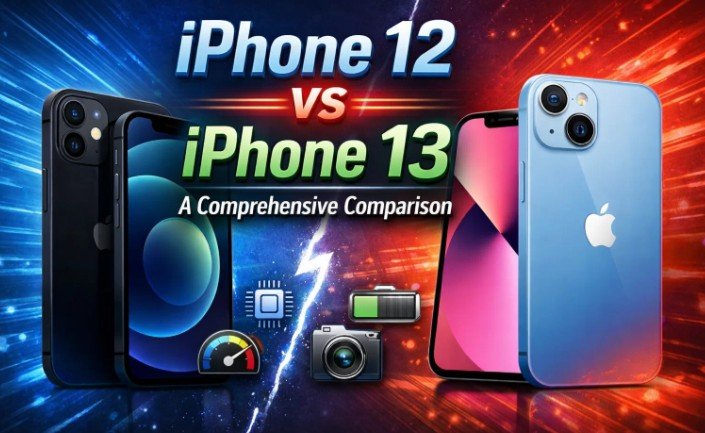
Since its inception, Apple has consistently redefined the smartphone landscape with each new iteration of the iPhone. The iPhone 12, released in 2020, marked a significant leap in design and technology, featuring a sleek flat-edge body, improved processing capabilities, and an enhanced camera system. In 2021, Apple unveiled the iPhone 13, which builds upon its predecessor with notable refinements that aim to optimize user experience. Both devices represent a critical phase in Apple’s evolution, showcasing their response to consumer demands for performance, camera quality, battery life, and overall value.
The focal points of this comparison hinge upon four main aspects. First, the performance of both devices is critical, as Apple introduces the new A-series chips that significantly influence speed and efficiency. Users are particularly interested in how these advancements translate into daily use, affecting everything from app responsiveness to gaming capabilities.
Secondly, camera quality has become a vital consideration for smartphone users. The iPhone 13 offers enhanced photographic features that cater to photography enthusiasts and everyday users alike. An exploration into how the camera systems differ gives insight into photography capabilities, especially in terms of low-light performance and software-driven enhancements.
Thirdly, battery life is essential for smartphone users on the go. With increased screen time and resource-intensive applications, a device’s longevity on a single charge can often dictate user satisfaction. The comparison will highlight advancements in battery technology and their impact on daily usage.
Lastly, overall value is a crucial factor for potential buyers. Understanding the pricing strategies and features of both models can guide consumers in making an informed decision that aligns with their needs and budgets.
Design and Build Quality
The design and build quality of smartphones can significantly influence user experience, and the iPhone 12 and iPhone 13 present noteworthy elements in this realm. Both devices share a premium aesthetic, characterized by their flat edges and glass front and back panels. However, a few distinct features set them apart in terms of size, weight, and overall appearance.
When it comes to dimensions, the iPhone 13 is marginally thicker than the iPhone 12, measuring approximately 7.65 mm compared to 7.4 mm. In terms of weight, the iPhone 13 is slightly heavier at 173 grams, compared to the iPhone 12’s 164 grams. This incremental increase in weight may not be immediately noticeable to all users, yet it suggests that the new model houses a larger battery, contributing to its improved performance and longevity.
Color options further differentiate the two models. The iPhone 12 launched with a range of vibrant colors, including blue, green, pink, and white, promoting a youthful aesthetic. In contrast, the iPhone 13 offers a more muted palette alongside some bold options, like the enticing pink and twilight blue. The choice of colors may cater to diverse consumer preferences, allowing for personal expression.
Both devices utilize the Ceramic Shield technology introduced with the iPhone 12, enhancing durability. Additionally, the iPhone 13 features improved water and dust resistance rated at IP68, providing peace of mind in varied environments. Notably, the overall ergonomic profile is designed for a comfortable grip, and any slight changes in corner rounding enhance the handling capacity, improving the overall user experience. The elegant yet functional design of both phones reflects Apple’s commitment to outstanding craftsmanship, maintaining their position as leading devices in the smartphone market.
Display Features
The display features of the iPhone 12 and iPhone 13 models showcase significant advancements that enhance user experience. Both devices employ the Super Retina XDR technology, a hallmark of Apple’s commitment to delivering high-quality visual performance. The iPhone 12 boasts a 6.1-inch display with a resolution of 2532 x 1170 pixels, providing a pixel density of approximately 460 ppi. In comparison, the iPhone 13 maintains the same screen size but improves its brightness capabilities, reaching a peak brightness of 800 nits for typical usage and up to 1200 nits for HDR content, making it particularly effective in bright outdoor conditions.
Color accuracy is another pivotal aspect where both models excel, offering wide color support (P3) and True Tone technology that adjusts to ambient lighting. Users will find that both the iPhone 12 and iPhone 13 deliver vibrant colors and sharp text, but the newer iPhone 13 benefits from minor enhancements in color calibration, resulting in slightly more accurate color reproduction. This refinement is especially noticeable in applications requiring precise color fidelity.
Furthermore, both models feature a contrast ratio of 2,000,000:1, ensuring deep blacks and vivid whites. The Super Retina XDR display’s OLED panel allows for deeper contrasts and a wider spectrum of brightness levels, enhancing multimedia experiences significantly. One of the standout improvements in the iPhone 13 is the reduced power consumption, which contributes to prolonged battery life while engaging with high-resolution content.
Regarding refresh rates, both the iPhone 12 and iPhone 13 maintain a standard 60Hz refresh rate, suitable for most day-to-day tasks. Although the iPhone 13 does not introduce higher refresh rates, the overall display performance in low-light conditions has seen improvements, minimizing glare and enhancing visibility in darker environments. This comprehensive display comparison highlights how Apple continues to innovate and refine its display technology, creating compelling choices for consumers.
Performance and Processing Power
When it comes to performance and processing power, the iPhone 12 is equipped with Apple’s A14 Bionic chip, while the iPhone 13 is powered by the more advanced A15 Bionic chip. The A14 Bionic chip has already been recognized for pushing the boundaries of speed and efficiency, with its 6-core CPU delivering significant improvements over its predecessors. However, the A15 Bionic takes this a step further with enhancements that impact not only processing speed but also graphics performance.
The A15 Bionic chip features a 6-core CPU just like the A14, but it comes with a more powerful 4-core GPU, which offers significantly improved graphics capabilities. This upgrade plays a vital role in tasks that require intense graphical processing such as gaming, multimedia editing, and augmented reality applications. Users of the iPhone 13 will notice smoother frame rates and faster rendering times, elevating the overall experience when using graphically demanding apps.
Moreover, both chips utilize a 5-nanometer process, but the increased efficiency of the A15 Bionic allows for better power management without sacrificing performance. This feature translates to longer usage times during intensive tasks and enhanced multitasking capabilities. The A15 chip also incorporates new machine learning capabilities, which allow applications to perform complex tasks more efficiently, consequently improving user experience across the board.
In conclusion, while the iPhone 12’s A14 Bionic chip offers outstanding performance, the iPhone 13 with its A15 Bionic chip pushes the limits further with superior graphics and processing power. These enhancements make the iPhone 13 a compelling choice for users who prioritize performance and require a device that can handle demanding applications seamlessly.
Camera Capabilities
The camera systems of the iPhone 12 and iPhone 13 are pivotal in determining their overall photographic performance. Both models boast impressive hardware and software features, though the iPhone 13 introduces enhancements that elevate its capabilities. Starting with hardware specifications, the iPhone 12 is equipped with a dual-camera system consisting of a 12 MP wide lens with an aperture of f/1.6 and a 12 MP ultra-wide lens with an aperture of f/2.4. This arrangement allows for excellent low-light performance and versatility in capturing wide scenes.
On the other hand, the iPhone 13 retains the same dual-camera setup but features improved sensor capabilities, including sensor-shift optical image stabilization on its wide lens. This advancement significantly reduces motion blur and enhances clarity during handheld photography, particularly in low-light environments. Additionally, the iPhone 13 introduces Photographic Styles, a feature that allows users to customize the look of their photos in a way that suits their personal preferences, while still retaining essential details and colors.
Another notable addition in the iPhone 13 is the Cinematic mode, which empowers users to create videos with a shallow depth of field and automatic focus transitions. This innovative feature is designed to provide a film-like quality to video content, thereby enhancing user creativity. In terms of performance, both models excel in daylight, but the iPhone 13 showcases improved low-light capabilities due to advancements in computational photography, including the Night mode, which has been optimized for better results in darker conditions.
In conclusion, while the iPhone 12 offers a robust camera system, the enhancements in the iPhone 13’s hardware and software significantly enhance its overall photographic experience. Photography enthusiasts may particularly appreciate the refined low-light performance and the introduction of new creative features.
Battery Life and Charging
When evaluating the iPhone 12 and iPhone 13, one of the most critical aspects to consider is the battery life and charging capabilities of both devices. The iPhone 12 features a battery capacity of approximately 2815 mAh, while the iPhone 13 offers a notable upgrade with a battery capacity of around 3227 mAh. This increase in capacity allows the iPhone 13 to deliver improved real-world battery performance, making it more efficient for daily usage.
In terms of operational duration, tests indicate that the iPhone 13 can last up to 2.5 hours longer than its predecessor under similar usage conditions. This enhancement is particularly beneficial for users who rely on their devices for extended periods, as it minimizes the need for frequent recharging. Furthermore, both models support 20W fast charging, allowing users to recharge their devices quickly, although the actual charging time may vary slightly due to the larger battery in the iPhone 13.
Another significant aspect to consider is the advancements in charging options. Both the iPhone 12 and iPhone 13 are compatible with MagSafe technology, which provides a convenient magnetic connection for wireless charging and various accessories. However, the iPhone 13 also incorporates improved efficiency in its MagSafe charging, thus optimizing the battery’s performance while using this feature. Users can expect a stable and reliable connection when charging their devices, regardless of which model they choose.
Overall, while both the iPhone 12 and iPhone 13 present acceptable battery life, the enhancements found in the iPhone 13 make it a superior option for those seeking longer usage times and optimal charging capabilities. These improvements demonstrate Apple’s commitment to advancing battery technology and user experience in their smartphone offerings.
Software Experience on iPhone 12 and iPhone 13
The iPhone 12 and iPhone 13, while sharing a similar aesthetic and hardware foundation, diverge notably in software capabilities and features. Both devices run on Apple’s iOS, but the iPhone 13 debuted with iOS 15, introducing a variety of enhancements that optimize the user experience considerably. Among these improvements is the introduction of enhanced privacy features, which allow users to better manage data sharing with apps.
Privacy settings, including the App Privacy Report, empower users to understand how often apps have accessed their data, thereby fostering greater transparency. Additionally, the Mail app has seen updates that prevent senders from tracking if and when an email is opened. These updates signify a strong commitment to user privacy, setting the iPhone 13 apart from its predecessor.
Furthermore, the iPhone 13 leverages more powerful functionalities seen in iOS 15, such as Focus mode, which enables users to filter notifications based on their current activity, be it work or leisure. This functionality aims to reduce distractions and improve productivity, something particularly beneficial for users managing multiple tasks throughout the day. While iPhone 12 users can access iOS 15, some features may run optimally or exclusively on the new model, ultimately enriching the iPhone 13 user experience.
Moreover, improvements in Siri’s capabilities are notable, with more natural language processing and contextual understanding. This enables Siri to perform complex requests more efficiently. Overall, while both devices share fundamental software traits, the incremental enhancements in the iPhone 13 showcase how software developments can transform and elevate the user experience significantly.
Pricing and Value for Money
When comparing the pricing strategies of the iPhone 12 and iPhone 13, it is crucial to consider their launch prices, as well as their current market values. The iPhone 12 was launched at a base price starting from $699, while the iPhone 13 debuted at a slightly elevated base price of $799. This difference in pricing reflects the advances in technology and features that the newer model offers, such as improved battery life and enhanced camera capabilities.
As time progresses, it is also essential to analyze how the market prices for each model have evolved. With the release of the iPhone 13, the iPhone 12 has seen a noticeable reduction in price, making it a more budget-friendly option for consumers looking for a capable smartphone at a lower cost. Current market prices for the iPhone 12 can often be found at around $599, depending on the retailer and ongoing promotions. In contrast, the iPhone 13 typically hovers around $799 to $849 in the marketplace.
In terms of value for money, both models provide compelling options based on user needs. The iPhone 12, while slightly older, still possesses strong performance capabilities, including the A14 Bionic chip and dual-camera system, making it a solid choice for users who may not require the latest technological advancements. Conversely, the iPhone 13 offers notable enhancements, such as improved camera features and battery efficiency, appealing to users who prioritize having the latest functionalities.
Ultimately, the decision on which model offers better value for money will depend on individual preferences and utilization. For consumers who seek cutting-edge features and performance, investing in the iPhone 13 makes sense. However, those satisfied with robust performance without all the latest bells and whistles may find the iPhone 12 to be an economical yet powerful alternative.
Conclusion
In evaluating the iPhone 12 and iPhone 13, it is important to consider several key differentiators that can influence a consumer’s decision. While both models bring advanced technology and features to the table, the variations in performance, design, camera capabilities, and battery life are significant factors to weigh.
The iPhone 13 boasts improved processing power thanks to the A15 Bionic chip, which provides enhanced speed and efficiency compared to the A14 Bionic chip in the iPhone 12. This increase in performance makes the iPhone 13 particularly appealing for users who frequently engage in demanding tasks, such as gaming or video editing. Furthermore, the battery life of the iPhone 13 has been notably extended, offering longer usage times — a crucial factor for users who rely on their device throughout the day.
In terms of camera capabilities, the iPhone 13 adds features like Cinematic mode for video recording and improved low-light performance. For photography enthusiasts or those who often capture video, these enhancements may justify the upgrade from the iPhone 12. On the other hand, if users prioritize cost, the iPhone 12 remains a solid choice with reliable performance and an excellent camera system.
Ultimately, the right choice between the iPhone 12 and iPhone 13 will depend on individual needs and priorities. Users looking for the latest features and technology may find the iPhone 13 more aligned with their expectations, whereas those seeking a more budget-friendly option might opt for the iPhone 12 without feeling they are sacrificing quality. Assessing personal usage patterns and requirements will be crucial in making an informed decision based on these two impressive models.
