

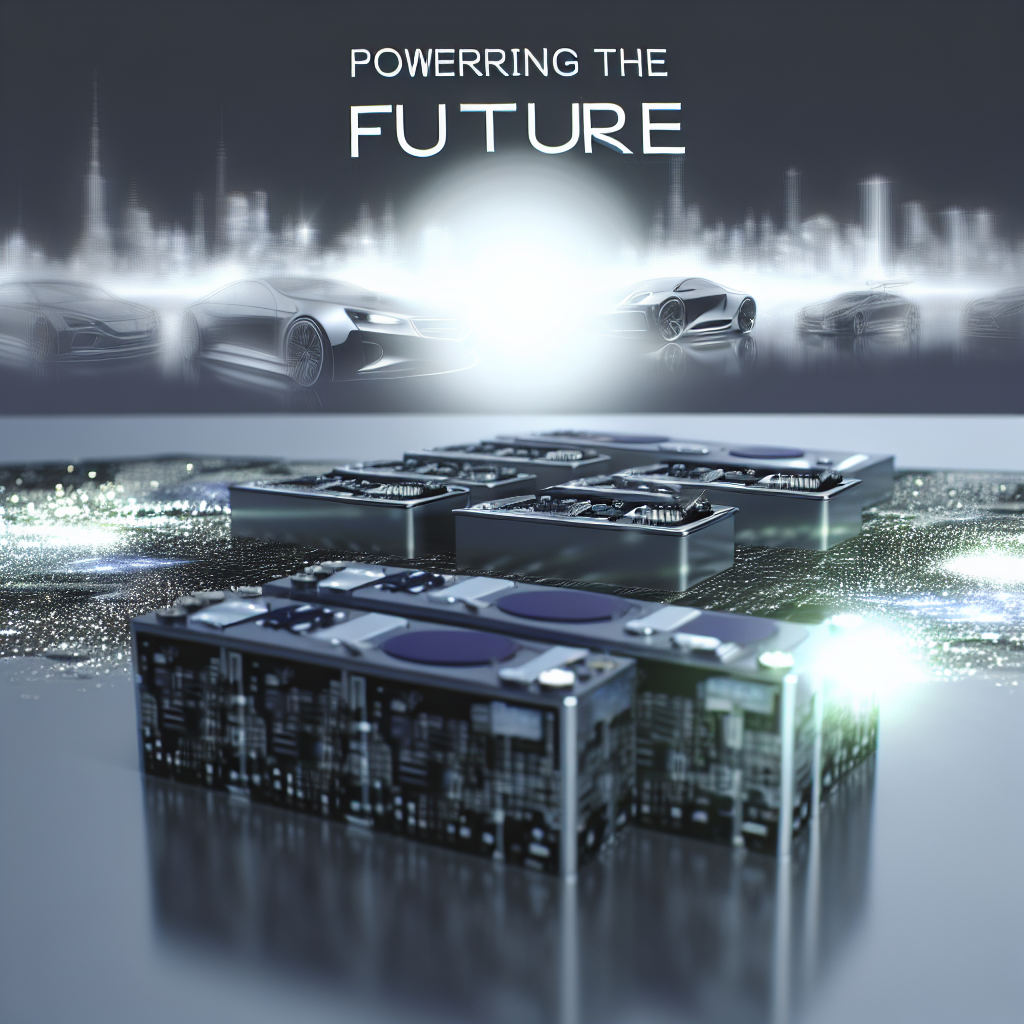
In an era defined by rapid technological advancements and the urgent need for sustainability, battery technology is at the forefront of the energy revolution. As economies move toward renewable energy sources and electric vehicles (EVs) gain mainstream acceptance, the role of advanced battery technology has never been more important. From personal gadgets to industrial applications, the performance of batteries can determine the feasibility and efficiency of modern innovations. This article highlights exciting developments in battery technology, their implications for performance in various sectors, and the future landscape of energy storage.
development of battery technology
early start
The journey of battery technology dates back two centuries to Alessandro Volta’s invention of the voltaic pile in 1800, marking the birth of the modern battery. This battery laid the foundation for future developments, enabling the storage and use of electrical energy for a variety of applications. Since then, battery technology has evolved dramatically, moving from bulky lead-acid batteries to the more compact and powerful lithium-ion technology we use today.
The rise of lithium-ion batteries
Lithium-ion batteries (Li-ion) emerged in the 1990s and rapidly became the industry standard due to their high energy density, light weight, and declining cost. They opened up new possibilities for portable electronics, powering everything from smartphones to laptops. However, the demand for higher performance has driven research and development into advanced battery technologies.
Emerging Battery Technologies
solid-state batteries
Solid-state batteries represent the next frontier in energy storage. Unlike traditional lithium-ion batteries, which use liquid electrolytes, solid-state batteries use solid electrolytes, which increases safety and energy density. This change reduces the risk of leakage, flammability and thermal runaway, making them ideal for electric vehicles and large-scale energy storage systems.
Benefit:
-
high energy density: Solid-state batteries can store more energy in a smaller space, potentially doubling the range of electric vehicles.
-
better security: Solid electrolyte is less flammable than liquid counterparts, reducing the risk of battery fire.
-
long life span: These batteries show less degradation over time, increasing their lifecycle and reducing the frequency of replacement.
lithium-sulphur batteries
Lithium-sulfur batteries are another promising technology that is poised to outperform conventional batteries. Sulfur is abundant and low cost, making these batteries more economical while providing higher energy density.
Benefit:
-
better energy density: Theoretically, lithium-sulfur batteries can provide up to five times the energy density of lithium-ion batteries.
-
sustainability: Using sulfur reduces reliance on expensive metal resources like cobalt, making the battery more durable.
Although challenges remain in terms of cycle stability and efficiency, ongoing research is paving the way for commercial feasibility.
sodium-ion batteries
Sodium-ion batteries are gaining attention due to the abundance of sodium and lower cost compared to lithium. As resource-hungry applications scale, sodium-ion batteries are seen as a potential alternative to lithium-ion technology.
Benefit:
-
cost effectiveness: Sodium is significantly cheaper and more abundant than lithium, allowing large-scale production.
-
environmental impact: Use of sodium reduces environmental concerns associated with lithium mining.
Sodium-ion batteries still need advancements to fully compete with lithium-ion batteries, but their potential promises a more sustainable future.
flow batteries
Flow batteries use two chemical components dissolved in liquids and stored in external tanks. They can be scaled up or down for different applications, making them a strong candidate for grid energy storage.
Benefit:
-
long term storage: Flow batteries can provide energy over extended periods of time, addressing the intermittent nature of renewable energy sources such as solar and wind.
-
long life cycle:These batteries can withstand a large number of charge-discharge cycles without any significant degradation.
Major projects around the world explore the integration of flow batteries into renewable energy systems, demonstrating a viable pathway to energy flexibility.
Transformative effects on electromobility
The rise of advanced battery technology has had a transformative impact on the electric vehicle (EV) industry. The performance of batteries is directly related to the range, efficiency and overall user experience of the EV.
Increased range and performance
As battery technology evolves, so does the potential range of electric vehicles. New batteries, such as solid-state and lithium-sulfur, promise increased range capabilities, addressing one of the most important concerns of potential EV buyers: range anxiety. Electric vehicles equipped with such advanced batteries may soon rival their internal combustion counterparts in terms of distance covered on a single charge.
fast charging technology
With improved battery performance, faster charging solutions are being developed to meet consumer demands. Advanced battery technologies can handle higher charging currents, significantly reducing charging times. Imagine stopping at a charging station and being back on the road in less than 20 minutes – this scenario is fast becoming reality and further increases the appeal of electric mobility.
environmental impact
From a sustainability perspective, advanced battery technologies reduce the overall carbon footprint of electric vehicles. As more automakers move toward green materials, battery production will become more environmentally friendly, which will be in line with global initiatives to combat climate change.
Empowering renewable energy solutions
energy storage solutions
As countries move towards renewable energy sources, the need for efficient energy storage solutions becomes paramount. Renewable energy sources such as solar and wind are intermittent and can create a mismatch between energy production and consumption. Advanced battery technologies provide effective solutions to facilitate energy storage.
Grid Stability and Management
Advanced batteries can provide grid stability, managing fluctuations in energy demands and supplies. For example, flow batteries are particularly suitable for ensuring energy availability during peak consumption hours, reducing dependence on fossil fuel-powered plants.
decentralized energy systems
With advances in battery technology, decentralized energy systems (such as home solar storage) are becoming more viable. Property owners can generate their own electricity and store it at home using battery systems, reducing reliance on centralized energy grids and increasing energy independence.
Future directions in battery technology
Recycling and sustainability
As the demand for batteries increases, the need for recycling and sustainable practices in battery production becomes more important. Advanced recycling technologies can help recover materials from old batteries, thereby reducing environmental impact and dependence on raw material extraction.
Research and Development Initiative
Investment and innovation in battery technology continues to flourish, with academic institutions, startups and established companies all contributing to the advanced battery landscape. Research into new materials, improved manufacturing processes and innovative designs may reveal further potential and efficiency in energy storage.
performance metrics
Future battery technologies will likely focus not only on energy density but also on other performance metrics including cost efficiency, charging speed, safety, and environmental sustainability. A comprehensive approach to battery design will facilitate more balanced performance that meets the diverse needs of consumers and industries.
conclusion
Advances in battery technology represent a ray of hope for sustainable energy and the electrification of transportation. As society leans toward clean energy solutions, the transformation initiated by advanced batteries marks a significant shift in the way we produce, store, and consume energy. From enhancing the performance of electric vehicles to enabling renewable energy solutions and promoting sustainability, developments in this area will power future innovations and reshape our world.
questions to ask
1. What are the main types of advanced battery technologies?
The main types of advanced battery technologies include:
- solid-state batteries
- lithium-sulphur batteries
- sodium-ion batteries
- flow batteries
2. How are solid-state batteries different from traditional lithium-ion batteries?
Solid-state batteries use solid electrolytes instead of liquid, improving safety, energy density, and lifespan while reducing the risks associated with leakage and flammability.
3. What role do batteries play in electric vehicles?
Batteries are the primary energy storage system in electric vehicles, which determine their range, acceleration performance, charging speed, and overall efficiency.
4. Are advanced batteries environmentally friendly?
While advanced batteries generally promote sustainability by using less harmful materials and providing better lifecycle performance, the environmental impact also depends on the methods used for battery production, use, and recycling.
5. What is the future of battery technology?
The future of battery technology will likely focus on improving energy density, reducing costs, increasing safety, advancing recycling technologies, and integrating renewable energy solutions for greater sustainability.
6. Can batteries help in storing renewable energy?
Yes, advanced battery technologies, such as flow batteries and other energy storage systems, can store energy generated from renewable sources such as solar and wind, allowing for more efficient energy management and use.
7. Why is battery recycling important?
Battery recycling is important for recovering valuable materials, reducing reliance on raw resource extraction, reducing environmental pollution, and reducing waste. As demand for batteries increases, recycling will play an important role in sustainable practices.
8. How long do modern batteries last?
Battery life varies significantly according to technology and usage. Many lithium-ion batteries last between 8 and 15 years, while newer technologies such as solid-state and flow batteries are expected to last even longer with proper use.
By continuously innovating and seeking sustainable solutions, advanced battery technology is poised to power a brighter, cleaner future. The journey has just begun, and the possibilities remain endless as we move forward.
